Skip to content
xenium-data

Spatial Biology

Explore the molecular landscape of tissues, one cell at a time.


Spatial biology is transforming our understanding of how cells interact, organise and function within complex tissues.

By combining molecular profiling with spatial information, researchers can investigate gene expression, protein abundance and regulatory mechanisms while preserving the architecture of the tissue. At the South Australian Genomics Centre (SAGC), we provide access to a comprehensive portfolio of spatial technologies, supporting everything from whole-transcriptome discovery to high-resolution cellular imaging and spatial multiomics.Whether you're exploring tissue heterogeneity, investigating cellular interactions or scaling up to larger spatial studies, our team can help you identify the right approach for your research.
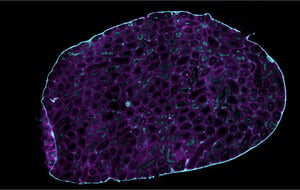
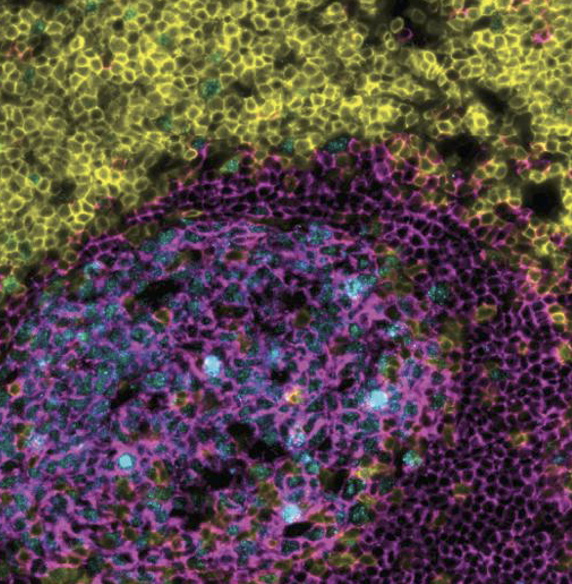
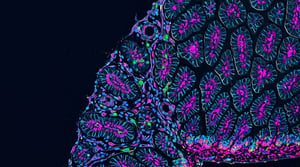
DAPI Stain
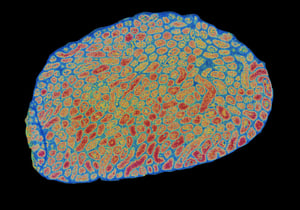
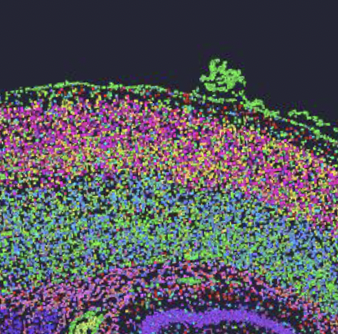
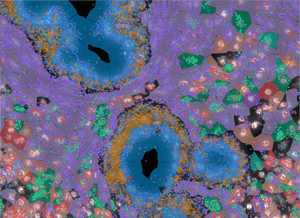
Gene Expression Heat Map
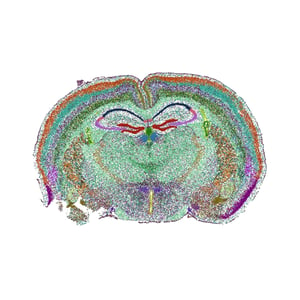
STOmics-before
STOmics-after

EXPLORE OUR SPATIAL PLATFORMS

Xenium-1

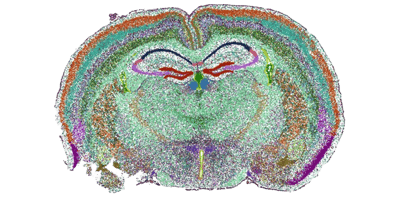
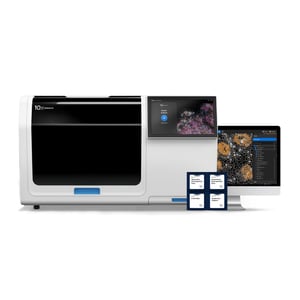
Xenium In Situ

 
Targeted, subcellular-resolution imaging

Visualise selected RNA targets and protein markers within intact tissue to investigate cell types, cellular neighbourhoods and tissue organisation.

cosmx

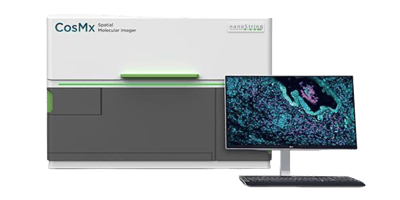
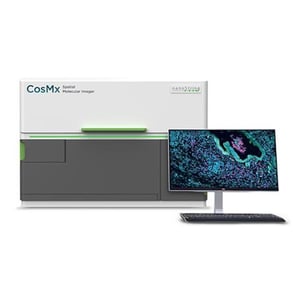
CosMx SMI

 
High-plex RNA and protein imaging
 
Investigate complex tissue environments through highly multiplexed spatial RNA profiling and protein analysis at cellular and subcellular resolution.
 
Visium HD

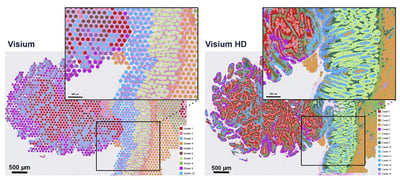
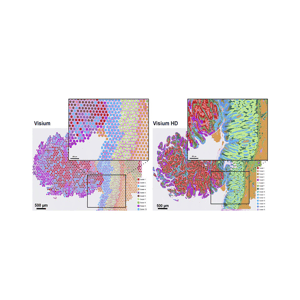
Visium HD

High-resolution transcriptome-wide discovery

Explore spatial gene expression without restricting analysis to a predefined set of genes, using whole-transcriptome workflows.
Xenium-2

Stereo-seqTM

Whole-transcriptome spatial profiling at scale

Profile gene expression across diverse species and tissue types, including fresh-frozen and FFPE samples, with options for automated, large-scale studies.

EXPLORE OUR SPATIAL PLATFORMS

Planning Your Spatial Experiment

Finding the right spatial technology for your research

With a range of spatial technologies available, selecting the right approach can be challenging. Each platform offers different advantages in molecular coverage, spatial resolution, tissue compatibility and scalability. At SAGC, our team works with researchers to design spatial experiments around their biological questions, sample types and study objectives. Whether you're undertaking exploratory discovery, validating specific molecular targets or investigating larger sample cohorts, there are several important factors to consider.

Explore your experimental requirements

Interactive experiment planning guide


What do you want to measure?

RNA expression

Proteins

Chromatin accessibility / epigenetics

Multiple molecular layers

Are you exploring or testing a hypothesis?

Discovery / whole transcriptome

Targeted gene panels

Both

What type of tissue do you have?

Fresh frozen

FFPE / archived tissue

Not yet collected

What species?

Human

Mouse

Other 

How many samples are you planning?

Pilot / feasibility study

Small comparative study

Large cohort / time course

View our Spatial Planning Guide

Email us to book a free project consultation.


 Beyond Spatial Transcriptomics

High-Throughput Spatial Transcriptomics

Scale spatial studies with Stereo-seq, including fresh-frozen and FFPE workflows, and the automated sample processing using Go Spatial.
Explore Stereo-seq and automation

Spatial Proteomics and Multiomics

Explore protein expression, cell phenotypes and molecular interactions in their native tissue environment, including approaches that combine spatial RNA and protein analysis.
Explore spatial proteomics & multiomics

Spatial Epigenomics

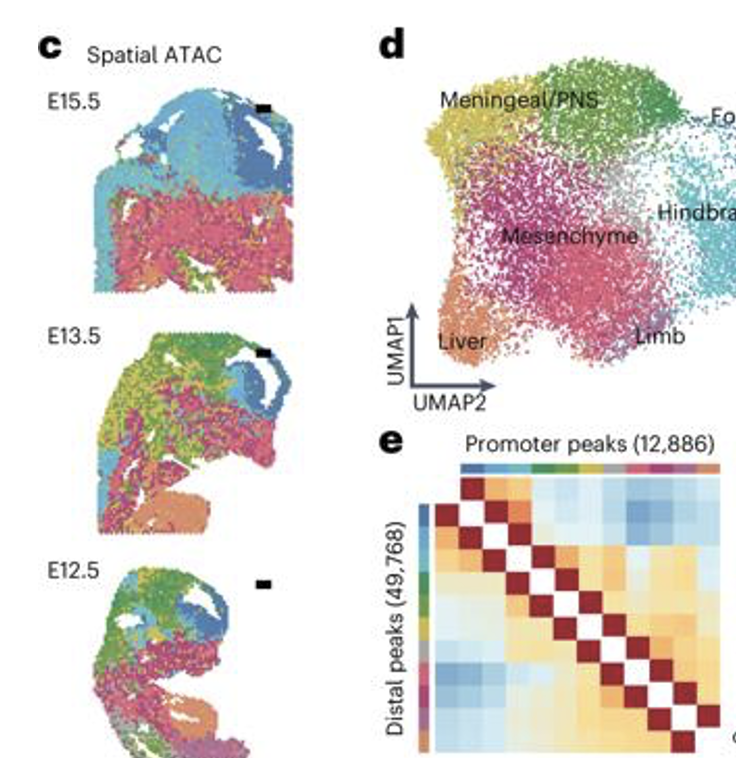
Investigate spatial patterns of chromatin accessibility, DNA methylation and gene regulation to understand how epigenetic states contribute to tissue organisation and cellular identity
COMING SOON! - Register your interest
pexels-thirdman-8940473-1

From Tissue to Insight 


End-to-End Spatial Biology Services

Successful spatial experiments require more than choosing the right technology. From sample preparation and tissue handling through to molecular profiling and downstream analysis, SAGC supports researchers across the entire spatial biology workflow. 
 
  • Study design

  • Tissue prep

  • Spatial profiling

  • Data analysis

  • Biological insight


Working with our histology partners, we can assist with tissue QC/sectioning, running the spatial assay, NGS when required, spatial analysis pipelines (both manufacturer and 3rd party tools). Our team can also help researchers evaluate the opportunities for integrating spatial data with single-cell genomics and other molecular datasets.

"A previously inaccessible view of tissue biology”.


Prof. David Lynn, SAGC Scientific Director
spatial biology hero image

PLANNING A SPATIAL BIOLOGY PROJECT?

Whether you have an established experimental design or are just beginning to explore spatial technologies, our team can help you assess your options and plan the next steps.